Dallas Scott
artist, writer, developer
I am a computer science master’s student at Columbia University, where I also completed my undergraduate studies. My work explores the overlap between computation and visual art, with a focus on computer graphics, artificial intelligence, AR/VR, 3D interfaces, physics-based animation, and ray-traced rendering.My technical background includes AI, probability, natural language processing, operating systems, programming languages, databases, graphics, animation, UI design, and machine learning for visual media. I work with Python, Java, C, C++, JavaScript, OCaml, C#, Unity, and Three.js.I have also studied psychology at UC San Diego, with interests ranging from neuroanatomy and addiction to reading, social psychology, sleep, abnormal psychology, behaviorism, and human development. Beyond computing, I am interested in literature, film, philosophy, music, art, history, and languages.
Dallas Scott
projects
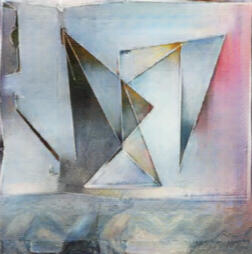
DL: Sketch to Painting GAN

UpDraft Gamified Learning

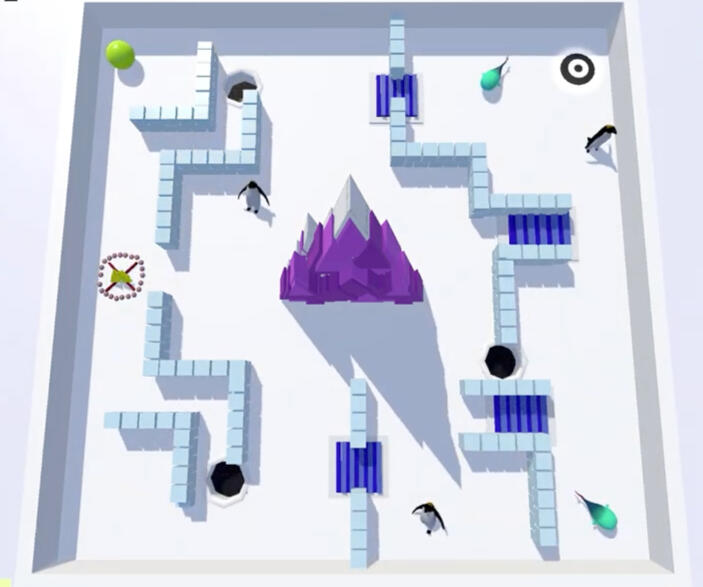
A-Maze-Yourself
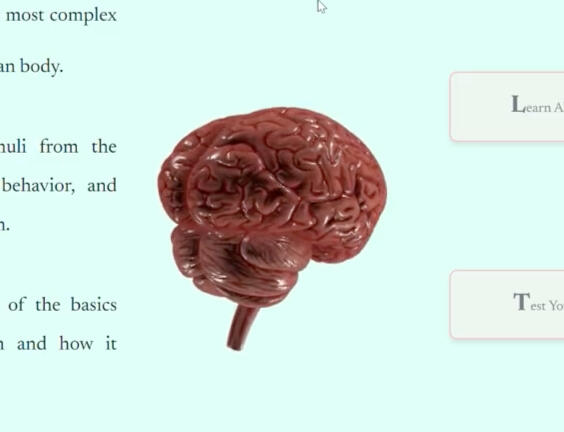
BrainBuild UI Design

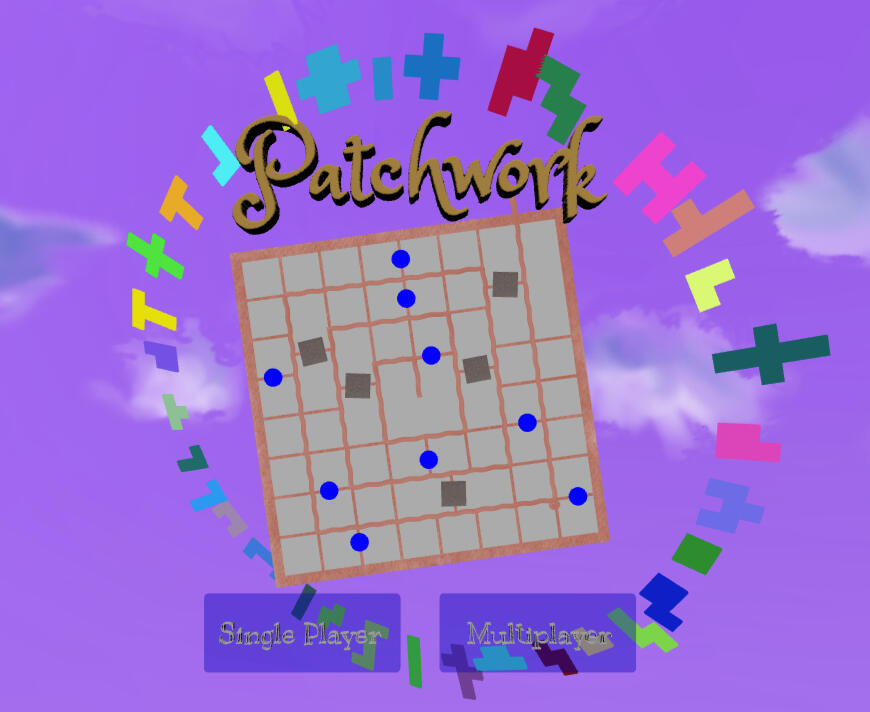
Patchwork (OCaml)

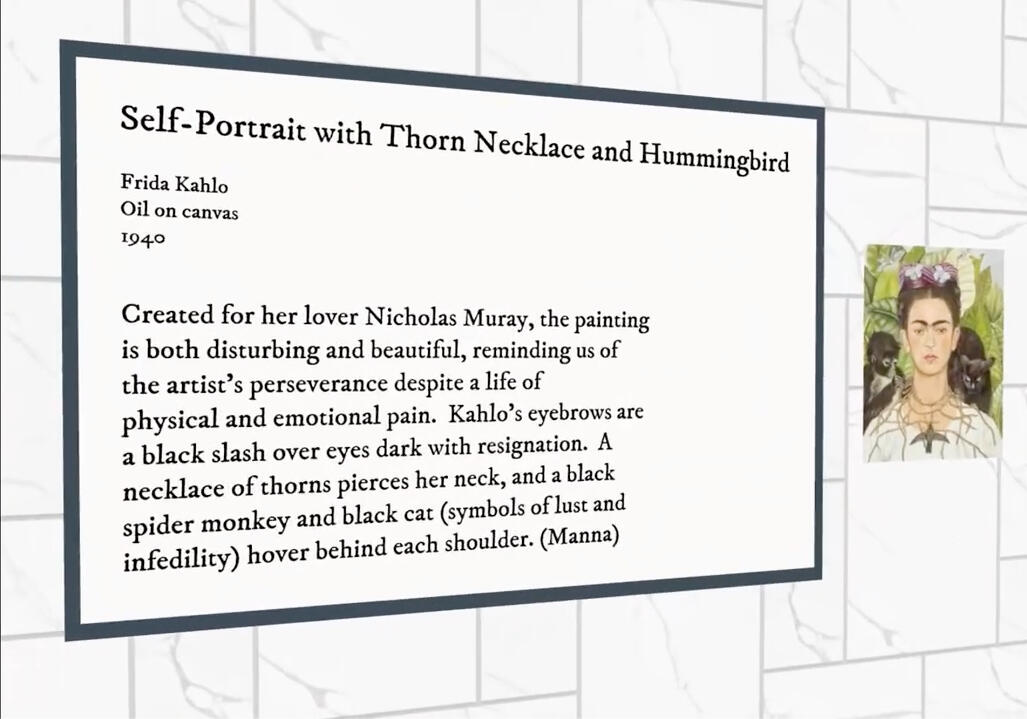
ArtFold Interactive Museum

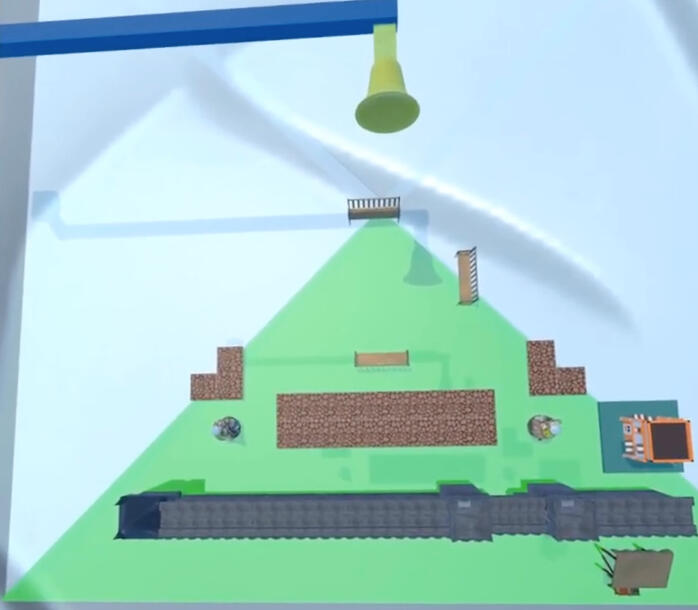
AR/VR Perspective Switch
b.o.t.h. Job Match API

Mnemo Progamming Language
Dallas Scott
writing
Film Review: L'Ami De Mon Amie (Jan 2025)
Lord of the Files (Mar 2023)
Microscopy and Myth (Oct 2022)
A Winter Poem (Dec 2023)
Book Review: Age of Anger (Oct 2022)
Circle X: A Reasonable Excess (Feb 2024)
On the Detriments of the Modern Metropolis (Feb 2024)
Translator of Desires (Feb 2024)
Patricide: Literary Fathers (May 2024)
Jan 2025
Film Review: L'Ami De Mon Amie
Dallas Scott
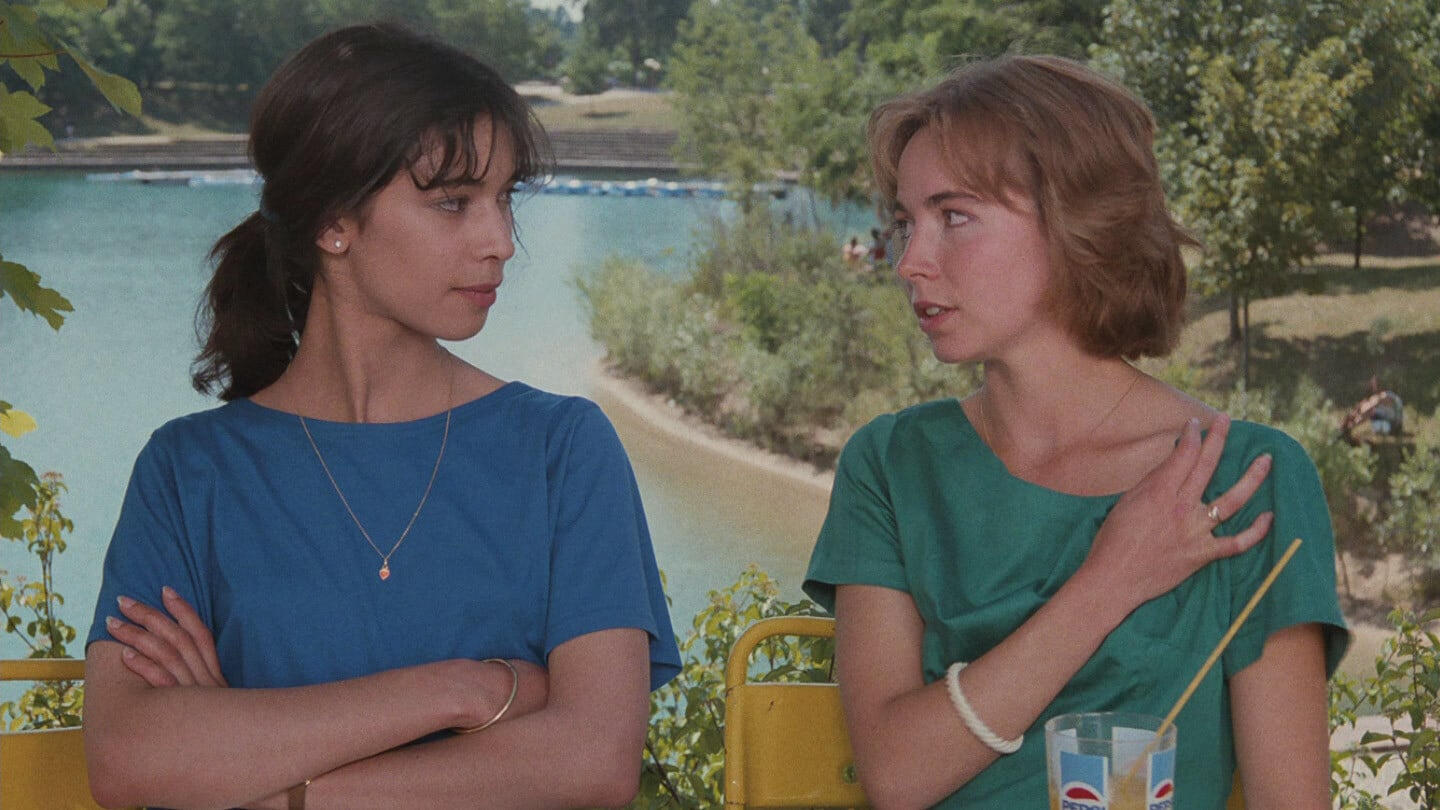
L’Ami De Mon Amie, literally “the friend of my friend” but given the title Boyfriends and Girlfriends in English, is the 6th in Eric Rohmer’s Comedies and Proverbs series. Set in a town just on the outskirts of Paris, it focuses on the budding friendship between two young women embarking on their professional careers (Blanche played by Emmanuelle Chaulet and Lea played by Sophie Renoir) as well as their love interests (Fabien played by Eric Veillard and Alexandre played by François-Eric Gendron).Like most of Rohmer’s works, this one is highly dialogue driven, with an emphasis on the characters’ inner workings, their attitudes, beliefs, expectations, longings, and disappointments and how these play out in their relations with one another. Lea is involved with a young man named Fabien but the relationship is faltering owing to Lea’s feeling that Fabien is too young and not attuned to her (often unspoken) needs. He doesn’t play along with her “little games” to test him, doesn’t take any initiative in the relationship or offer any resistance.Blanche is a bit of a dreamer and also appears to have unrealistic expectations for her prospective partners. She takes an interest in a suave, charismatic, and clever engineer named Alexandre and fixates on this prospect despite several people, including Lea, telling her the match isn’t suitable. Between the two, Blanche seems the more innocent or pliable—easily believing everything that Lea tells her. Lea is a bit more willful, more habituated to telling little lies to get her way or test others.Blanche also appears to suffer from a bit of neurosis, having on several occasions what almost appear to be bouts of panic or intense anxiety. One such bout occurs near the midpoint of the film when she and Fabien are spending the day on an outing while Lea is away. The two have great chemistry and Fabien begins to fall for Blanche. In one scene, the two are alone along a wooded path and the camera cuts away to the trees blowing in the breeze, the afternoon sun shimmering through the branches. When the camera returns to Blanche, she is unexpectedly crying. It’s a shot reminiscent of the scene in Rohmer’s Le Rayon Vert where Delphine is walking along a wooded path, the camera again shifting to the trees blowing in the wind, followed by a shot of Delphine leaning against a fence in tears.
These shots, the sudden cutting away from the ongoing dialogue to nature, no sound but the wind rushing through the trees, evoke strong sentiments of loneliness, isolation, the sense that we are alone here in this place, very small and vulnerable. It’s a sudden break from the world of people, relationships, feelings, into a void of sorts. The tears of the female characters reflect this—a sort of acknowledgement that all of these worries are inconsequential in the grand scheme of things and that the indecision of the protagonists, the desire for a certain type of relationship or feeling, can wind up leaving us alone, adrift, unsure of ourselves and our place in the world. The sudden burst of emotion from the female protagonists is difficult to watch but some of the most moving and genuine pieces of cinema I’ve seen.Fabien comforts Blanche and describes to her a fantasy of meeting a girl in a forest clearing with nobody else around. The two come together, make love, and then drift apart again, without speaking a word, nameless, complete strangers. He says it is more a male fantasy than anything, though Blanche disagrees and says she’d have thought it more a female fantasy. This whole scene is likely the most poignant in the film and gets at what the characters seem to be lacking in their lives—the sort of ineffable, intangible, unbreakable merging of individuals to attain a sense of oneness, safety and security against unhappiness and misfortune. It’s always right there in front of us but never manifests in our actual relations with others, in large part owing to our own misguided ideas and self-sabotage, the ultimate source of our discontent. It’s in the quiet moments when everything extraneous falls away that we realize we are alone and that it is likely our own doing that Rohmer reminds of us with these scenes. They are what give his films their timeless quality.Blanche ultimately refuses Fabien’s advances, in part due to her continued longing for the distant Alexandre but mostly because she does not wish to sabotage her friendship with Lea by having an affair with Fabien behind her back. The next morning she breaks things off entirely. When she meets with Lea again, she learns that Lea was attempting to find a replacement for Fabien but none of the men met her standards. After a brief reconciliation, Lea tells Blanche over lunch a few days later that she and Fabien have broken things off for good. They are joined by Alexandre, who spends most of his time conversing with Lea while Blanche sits awkwardly before leaving abruptly in anger. Alexandre reveals he never had feelings for her and goes on to try to pick up Lea after her breakup. He insults Blanche’s looks and puts on a (rather slimy) slick-guy facade to charm Lea, which seems to work.There isn’t much to like in the characters here. All are rather egotistical, particularly Alexandre, quick to pick up and dump partners at the drop of a hat, yet can’t stand when the same happens to them. The young women come off as somewhat frivolous, demanding, and having unrealistic expectations. Blanche’s co-worker Adrienne (played by Anne-Laure Meury from Rohmer’s La femme de l’aviateur) is pretentious and conniving. The only seemingly genuine character is Fabien, who has a genuine love for Blanche and is honest about his feelings. The end of the film has the young women coming clean about their infidelities and the two new couples (Lea/Alexandre and Fabien/Blanche) coming together and reconciling, a sort of reaffirmation of the opening proverb: Les amis de mes amis sont mes amis.This isn’t one of Rohmer’s best remembered films, but I keep coming back to it just for the dialogue, an exchange of unvarnished emotion, an exploration of human relationships and how they can be simultaneously genuine and pleasant, contrived and painful. It’s an exploration of ego, desire, loneliness, humility, and friendship. Despite so many vacillations, the overall tenor of the film is one of tranquility. Nothing is overblown or exaggerated. It serves as a great primer for how to deal with indecision, disappointments and betrayals in one’s relations.
Mar 2023
Lord of the Files
Exhibition Review: Unsupervised
Dallas Scott
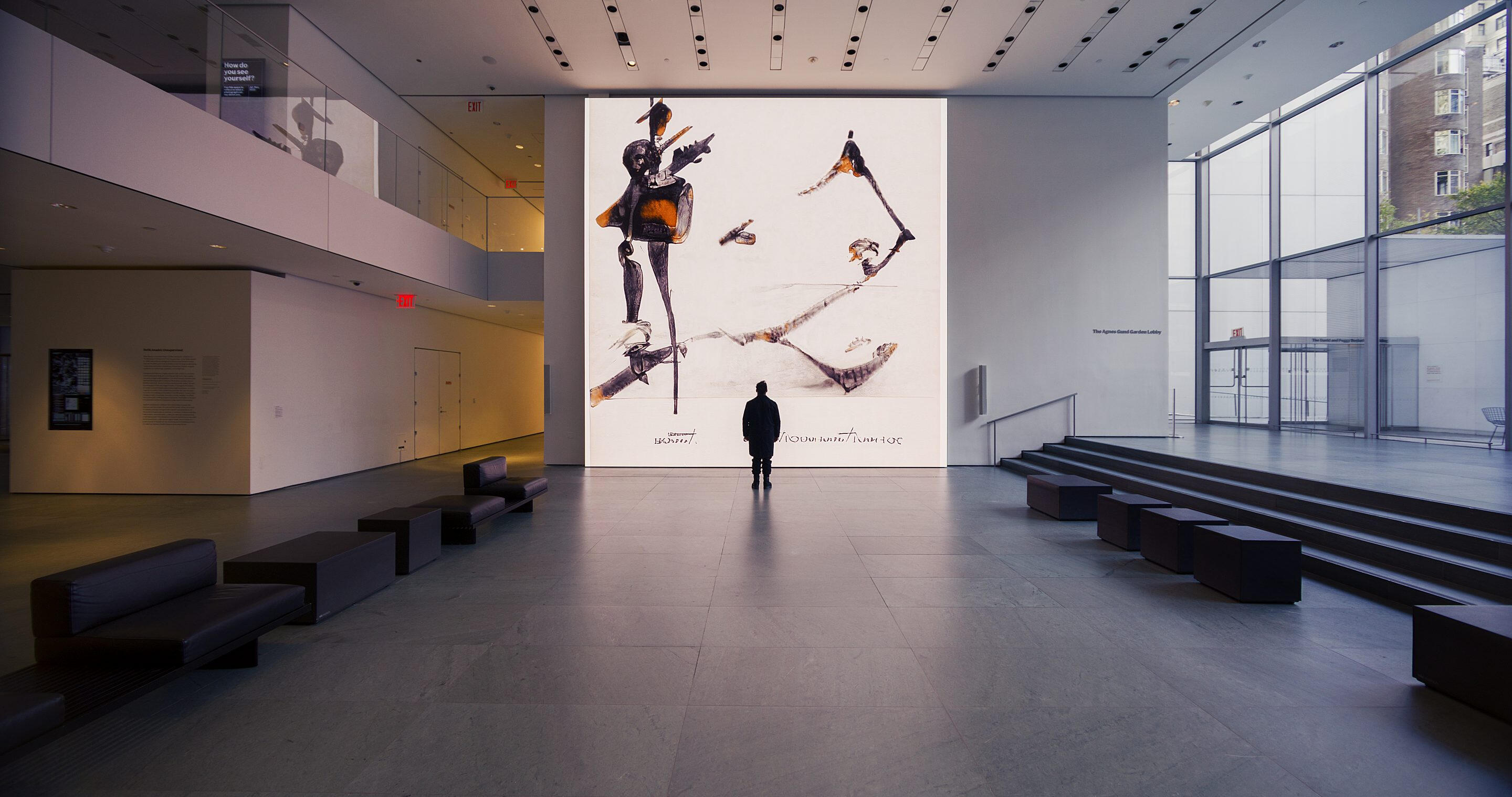
In recent months, the phenomenon of artificial intelligence has gained renewed interest as innovations in hardware and large quantities of data facilitated by the internet have made advanced machine learning models capable of complex language and art generation possible for the first time. Refik Anadol is an artist who uses these technologies to find patterns among thousands of existing artworks to create novel works without any human input. In his one-room, one-screen exhibition Unsupervised at the Museum of Modern Art in New York, he takes all of the works in the museum’s collection from artists spanning over 200 years and uses them to train a model which finds patterns within data to generate new and interesting images. The exhibition’s described purpose is to explore irrationality, fantasy, and hallucination and give the viewer a new understanding of art-making. However, the way it has been implemented appears to be at odds with this purpose. Its positioning on the ground floor within the museum’s main lobby where visitors stop momentarily before proceeding on to the museum’s main collection suggests transience, the idea that AI-generated art is little more than a passing fad and not something to be taken seriously. Despite the artist’s conception of his works as exploring irrationality, his methods of creating them are highly rational and mathematical. Overall, there does not appear to be any social commentary or discussion about the philosophy or ethics surrounding artificial intelligence. It seems as though the artist was more concerned with showing off what can be done with a sophisticated learning model and using the mystique and lack of understanding surrounding AI to generate interest in his work.
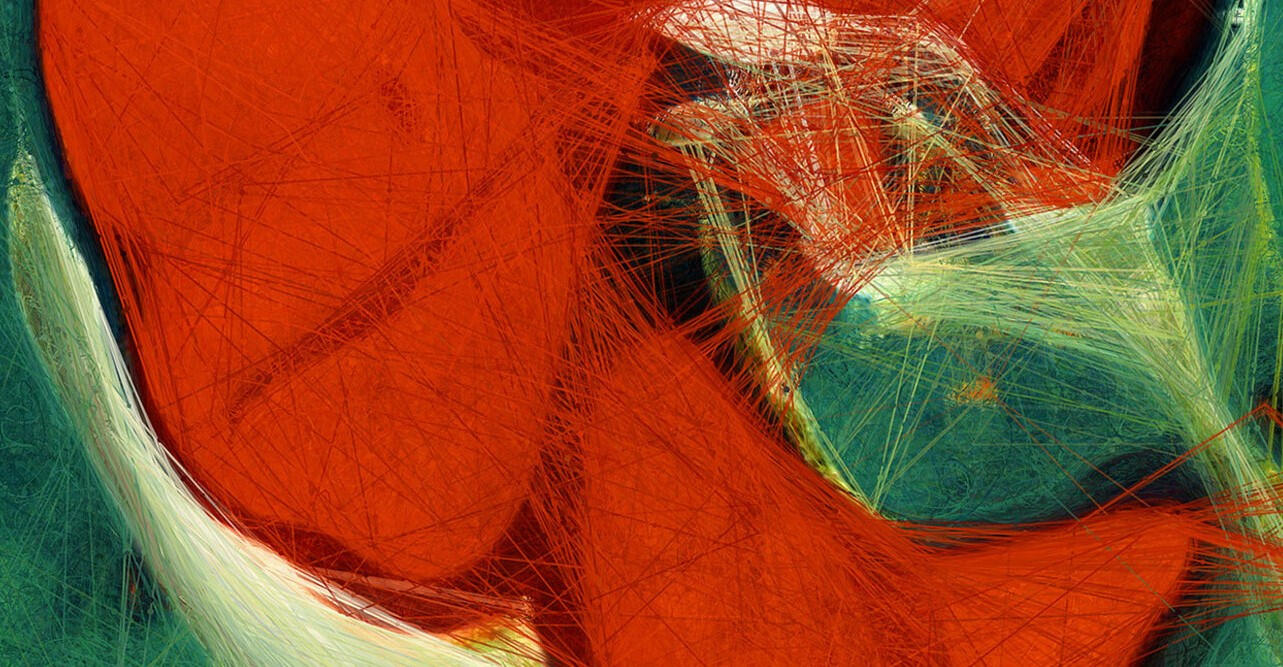
One of the key assumptions that is being made with this exhibition is that AI systems capable of image generation are indeed a new form of art-making. There is likely to be some debate about this, with computer scientists keen to describe their innovations as the next big thing in art, while those trained in more traditional art-making techniques argue it is little more than appropriation of existing works by real artists. In fact, artificial intelligence is nothing new. It dates back to the 1950s, and many of the algorithms for machine learning were discovered decades ago. It is only with advances in hardware and the availability of massive amounts of data via the internet that there has been this breakthrough in new applications. There are two categories of machine learning: supervised and unsupervised. Supervised learning involves giving objects labels, training a model using these labels, and using the model to identify new and previously unidentified objects. Unsupervised learning does not rely on labels but rather uses probability theory to find similarities among uncategorized data. Refik Anadol’s exhibition utilizes the latter method, from which it takes its title and which gives his images their abstract quality, befitting of the museum’s overall aesthetic.The scale of the exhibition is impressive—it takes up an entire wall with a cinematic-sized screen and is the very first thing visitors see upon entering the museum. There is ample ambient light from the floor-to-ceiling window in the museum’s lobby and an accompanying ethereal soundtrack playing in a loop on a surround-sound system. The curator appears to have given the exhibition a center-stage presence in proportion to its prominence in the current cultural zeitgeist. What I had expected to find was a quiet setting off in a darkened room with little foot traffic, a place for contemplation and reflection. Instead, I was met with a phalanx of cell phones obstructing the view of the display, the otherworldly soundtrack nearly drowned out by the crowd of tourists. I do not know whether it was the artist’s intention to have the work placed in such a prominent location or the curator’s, but it was definitely not a location conducive to deep thought. What it suggested was an element of frivolity—something seemingly big and impressive but ultimately without substance, a sideshow or temporary distraction from the more serious fare to be found in the museum’s interior.The actual images on display are not static but unfold in a continuous stream, as though recorded as a time-lapse drawing and sped up. Shapes and colors appear and disappear, the process highlighted with a series of lines connected by endpoints, as though being drawn by an invisible stylus. This has the effect of giving some idea of the underlying generative process of the computer (connecting discrete data points which appear to be similar) but also suggests that these are images which are tethered to something else. It seemed to me a reminder of the derivative nature of the art—the fact that it is connected to works that already exist within MoMA’s collection. The overall style of the images comports with what one would expect to find in modern art. The “scenes” are hazy, indistinct, flow on and off screen, shapes filling and emptying as though globules in a lava lamp. At one instant, the viewer has the impression of being in a misty forest, the next inside a bloodstream floating alongside macrophages. If one is able to tune out the surrounding distractions, the experience can be very engrossing, perhaps an unintentional commentary on these new technologies—keeping viewers entranced without fundamentally altering their worldview or enabling them to envision new realities without the help of a machine. There are no truly recognizable objects apart from, at one point, an illegible and seemingly ancient alphabet, perhaps some anomaly picked up by the computer’s algorithm. The images have the potential to change with alterations in movement, light, and weather in the surrounding environs, so the mood and colors shift, but there is otherwise little variation in the style of art the computer generates. At one point, there is a long sequence of colored spheres that shift around as though water sloshing about in an enclosed box, which gave me the sense that I was looking at a super-high-resolution screen saver. In between iterations of the presentation, there is a “command center” style graphic that seems to have drawn its inspiration from a video game, detracting from the seriousness of the subject.Another problematic area was the artist’s description of his work as “making the invisible visible.” This is true inasmuch as it is a visual representation of hidden probability patterns encoded within the data used to train his models, but this is not really what one usually thinks of when one thinks of art. The same rationale might be applied to seismographs, and nobody considers those art. The description of the works as “irrational” also seemed highly paradoxical, as these types of models rely on precise mathematical calculation to find probability densities and constant tweaking of parameters/heuristics to obtain a desired output. The scenes may appear “irrational” (without order), but the work being done underneath the hood is anything but. The exhibition’s description also quotes Anadol as saying he is trying to “connect memories with the future,” presumably a reference to the fusion of old art produced by hand and continually advancing technologies which rely on rapid calculation, but I had no subjective sense of either past or future in viewing the scenes. It just seemed like a more refined version of what has already been done with computer graphics, even if the underlying method is completely different.
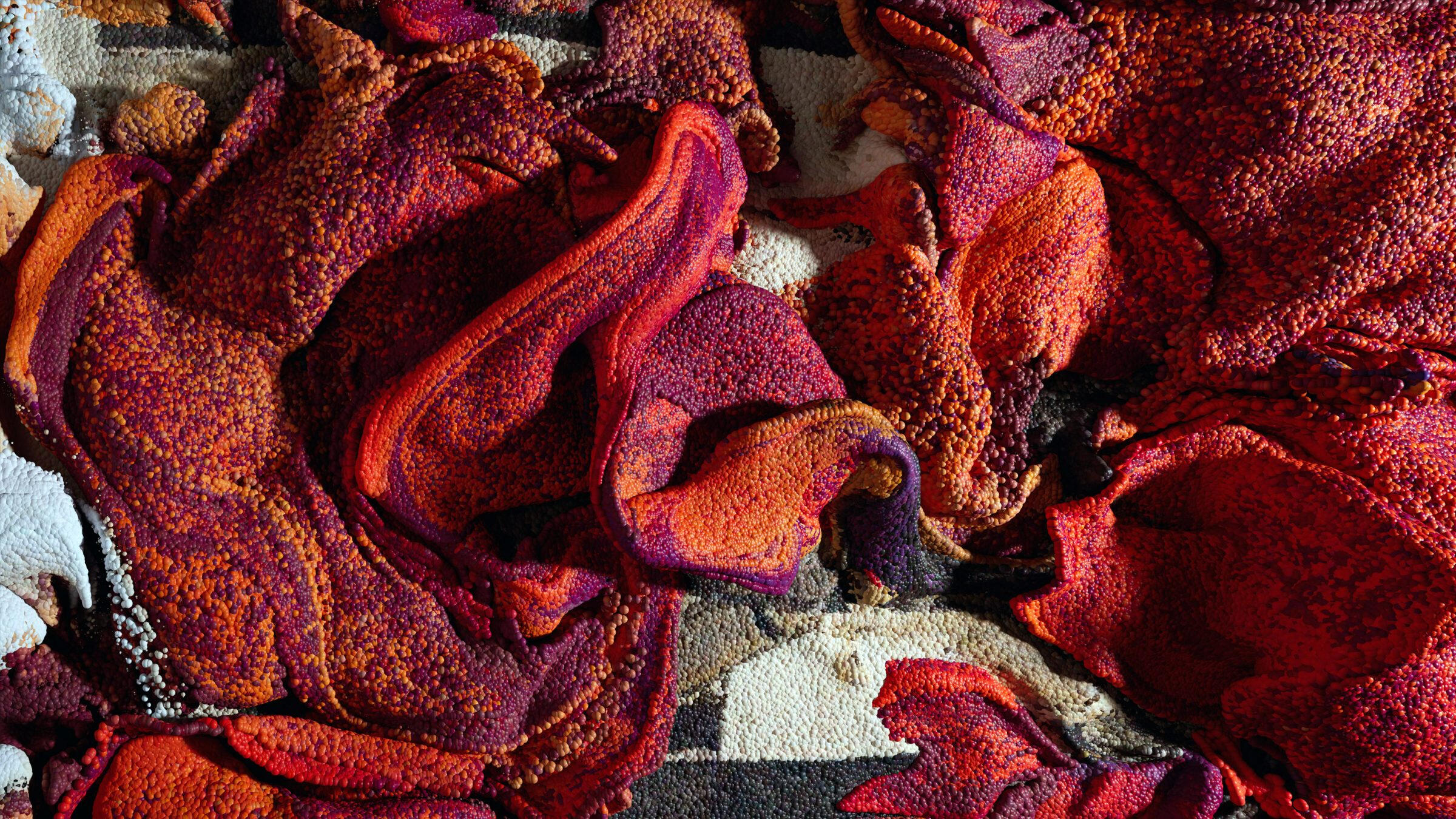
I paid a visit to this exhibition because it involves some of the areas I have been working with in my studies, having taken courses in probability theory and artificial intelligence and implemented some of these pattern recognition algorithms. What I found most problematic about the exhibition was the disjunct between its stated purpose and the location that was chosen for its display in the museum. The otherworldly soundtrack and hypnotic quality of the scenes would have fit much better in an area with fewer people and distractions. The exhibit could have perhaps been expanded to include other pieces which critique or offer countervailing views or just some general commentary on AI art. My overall sense was that, while certainly interesting, the exhibition was a surface-level light show for the sophisticated set, with no real attempt at capturing the nuances or possibilities inherent in machine learning.
Oct 2022
Microscopy and Myth
Dallas Scott
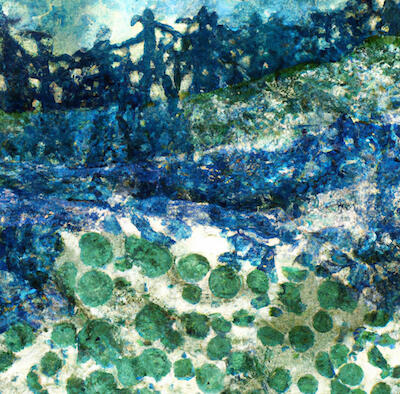
With radiometric dating, it is possible to measure the radioactive decay of isotopes and determine the age of everything from fabric scraps to artworks to wooly mammoths and trees. This ability to put a precise age to objects evokes an interesting relationship between the very small and the way it can be used to reveal or give away the secrets of the sometimes very large—a sort of invisible agent that bears witness to a life or event, an object or era and continues to report its story long after the context, the individuals involved, the specific conditions that gave rise to it have ceased to exist. These tiny stenographers as it were, without any of the motives or machinations of the human historian, are probably the closest we can come to something approximating the truth about the past, and that they have continued to speak this truth after so long confuses our sense of time and meaning—that a human lifespan has any real substance or value when something much older not only existed but evidence of its existence is still present, alive, fresh, as though it were just here yesterday.This knowledge of the remote past in a way has replaced more ancient human beliefs in the mystical or animistic, leading one to question whether the scientific dating of objects and events takes away some of the wonder or mystery about life and our existence as human beings, the sense that one’s presence is somehow special, which we seem to have when we are very young. This is not a new idea, of course. Max Weber among others spoke of the “disenchantment of the world” that accompanied the Enlightenment and how humans chose to trade away wonder for reason. What does the dating of the Turin shroud provide to the one who very much wants, needs even, to believe in Christ to make his or her life worth living? How does knowing about the forgery of a great painting help us appreciate the artistry that went into its creation and the message the art itself has to convey? Does not the dating of the wooly mammoth bring more into focus its mortality, where and why it died, rather than its power, vitality and strength—things that once might have situated man as merely one among many different forces at play on this planet? It seems this sense of not knowing, and being content with not knowing, can bring a sense of perspective and comfort, give rise to fables, myths, and creative thought in a way that science and rationality simply cannot. We no longer live in that world of uncertainty and magic, probably for the best, but one has to wonder what the pre-scientific mindscape might have looked like, how reason has changed our view of ourselves now that we can seemingly know more than our forebears could have ever imagined.
Dec 2023
A Winter Poem
Dallas Scott
Everything falls into its rightful place.
The tumult makes way for the natural ordering,
A wave of warmth and surety
Settling into deep trenches worn by Care.For a time the feeling remains,
Suspended in a purgatorial stasis
Of ideals and realized convictions,
A universal reprieve of the slimmest proportions.As the ocean upgathers renewed vigor
To begin again the churn,
The floor falls away, and once more into
Unseeing activity,
The searching gaze, ever questioning,
Fallow paths to follow
With a hoped-for End, palatial but more
Cantakerous and weedy.Unbending, untempered,
Unrealized, undulating uncertainty
Until
Oct 2022
Book Review: Age of Anger
Dallas Scott
Age of Anger is a tour of European intellectual history by essayist Pankaj Mishra, an attempt at getting to the ontological root of the resurgence of reactionary sentiment that emerged around the world in 2016 with the election of demagogues like Donald Trump, Jair Bolsonaro, and Narenda Modi.At first glance, Mishra appears to be a deliberate and lucid thinker. The argument he makes in this book is that the widespread anger we are witnessing at present in the world is not anything new but rather is a variation on a theme which reaches back to the 18th century. It stems, he says, from the fact that modern humans have bought into the ideal, championed by Enlightenment philosophes, of human progress through the meticulous application of reason and the inherent equality of all men (and women) in their capacity to participate in the journey and reap the benefits that were previously arrogated by an entrenched aristocracy. This belief, of course, is entirely at variance with the actual world we now inhabit, and when the reality eventually becomes manifest, the result is Kierkegaard's and Nietzsche's notion of ressentiment--envy and resentment--on a mass scale. Mishra says that fascism, anarchism, communism, nationalism, groups like ISIS, Hindu nationalists, "lone-wolf" mass shooters, Nazis, white supremacists, etc. all share a common thread in that they are all reactions to the sense of being left out in the march of progress, which we have all been taught to believe is the reason for our existence.The book is filled with what one might say is a surfeit of names, books, and events pulled from European intellectual history which, while very interesting to pursue as separate threads of their own, really bog the reader down. So much time is spent on these minutiae that the reader is left feeling dazzled and a bit overwhelmed by Mishra's fund of knowledge but without having really gained any new insights. The overall aim seems to have been more along the lines of agglomeration than elucidation. When asked by readers what the solution to ressentiment is in extended interviews, Mishra hems and haws about not being a prophet. He seems very careful in his descriptions of the prevailing hyper-Nietzschean ethos to not really take any fixed stance on the matter, though in one telling passage near the end of the book he does mention in passing that modernity's losers simply didn't have the talent to make it into the upper classes, which is not only absurd but reveals a bit of Mishra's own class privilege. While all of the movements and groups he describes may share a common source of discontent, their aims, worldviews, and methods are radically different, a fact which Mishra seems to pay short shrift to in his attempt to reach some overarching, coherent narrative. An anarchist and a fascist may feel left out and be angry with the way society is presently ordered, but that's about as far as the similarities go. It might have been more enlightening if Mishra had gone into the psychological idiosyncrasies at play in such movements, which to me seems of far more interest and relevance. There isn't much of that sort of analysis here, but one can find it in writers like Adorno if interested. Overall, this is a good read for those new to European intellectual history, as there are lots of works and authors that can be followed up on, but as for novel insights, I'm afraid the book doesn't quite deliver.
Feb 2024
Circle X: A Reasonable Excess
Dallas Scott
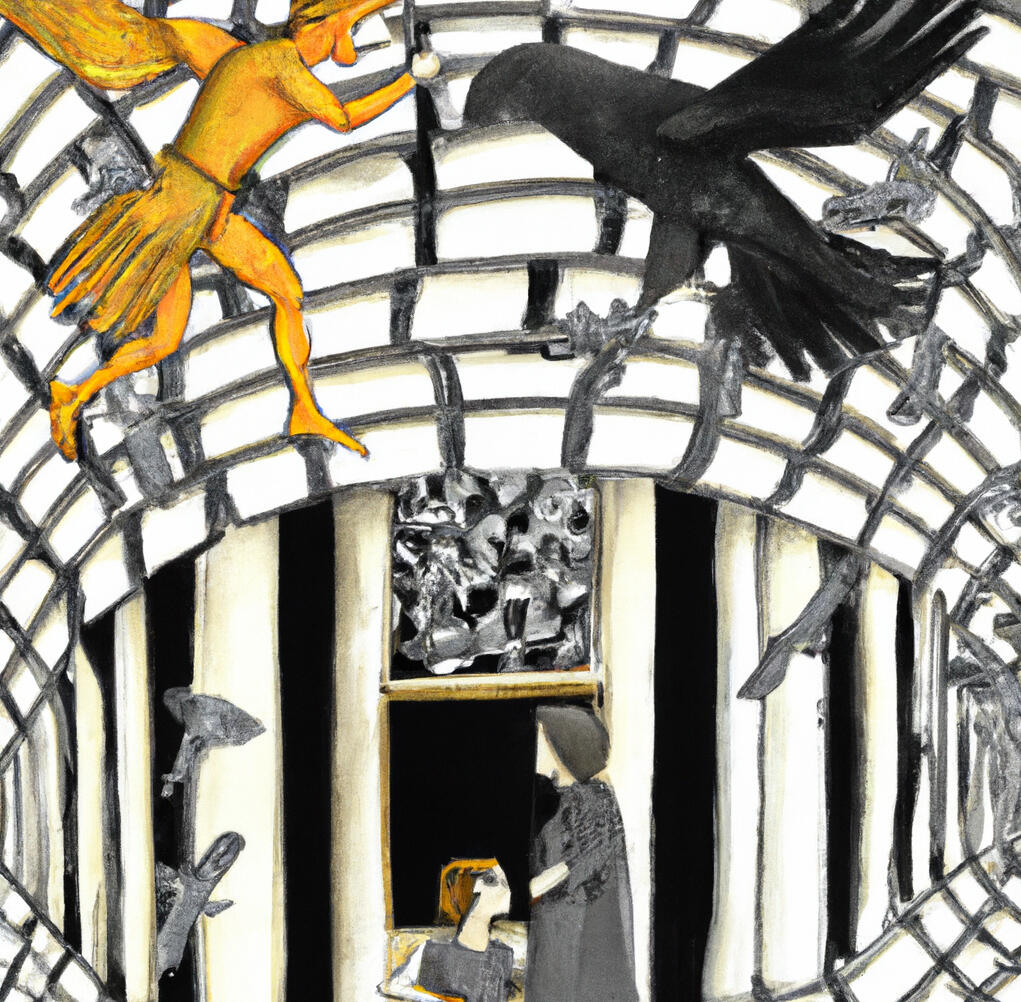
There now came into view the indistinct shape of some grand structure, greater in extent than even the largest of mountains back in the realm of the living. As we descended, this monumental edifice began to take on the texture of a large beehive or wicker basket of some sort, and from it emanated a faint but steady drone which played more loudly upon our ears the nearer we approached. “After such frightful visions, what could this earthen heap portend?” I asked my guide. “What souls dwell within this great gray hollow? It is the hum of some great activity, but listen—it repeats itself.”At this, my guide turned to me and, grasping my cloak at both ends, did wrap it about my body. “Take care to cover yourself before we enter,” he instructed me. “The souls you shall see here are keen of vision. They see everything and nothing. If you are not mindful, they will entangle you in their proddings until your soul become the stuff of these great walls we now breach.” I did as he bade me, wrapping myself tightly, as though a pupa in its cocoon, which was quite befitting for this great nest we now encroached upon.So great was the extent of the interior that we walked for some time, many hours it did seem, before encountering any distinct feature of its structure. The buzz of activity was that of a great chorus, perfectly synchronized. It would proceed for some time in a sequence of pitches, stop briefly, and then play itself again in the selfsame sequence and for the same duration, which I counted out in my footsteps.After much time walking without encountering a single soul, I turned to my guide: “O great poet, what is this strange music we keep step to? Where are the souls to be found in these depths? I feel the presence of some force which guides us upon a fixed track, but none is to be seen.” At this, he motioned toward one of the walls which had now come into view. “See for yourself the ones who have built this great dome,” he said in reply.As I drew nearer to the wall, what I saw both astonished and frightened me. The wall, which I had thought to be made of some straw or other earthen fare, was in fact a great mass of individual receptacles, hexagonal in shape. Within each of these was a soul so misshapen, so unnatural that I could not at first recognize it as such. Each had a hunched form, knotted, roped, sprawled about in all directions but with a trajectory that was always parabolic and convex, always pointed downward. Fixed within this melted tangle of flesh were two large eyes, unblinking, alert, watchful, studious from the front, bandaged and bleeding from the back.From one side of the receptacle, the soul would gaze at some object, slowly extending two long fingers from its deformed mass, prodding and patching at the wall with great confidence and precision, before moving on to another part of the cell, where the strange ritual was repeated. Perhaps inspired by the tenor of those great white eyes, the hypnotic droning that echoed inside this capacious hive, I felt myself obliged to take a closer look. To my surprise, the walls of these receptacles were made of no actual substance that I could discern but rather a series of numbers and geometrical shapes of varying sizes and forms. What deception! From a great distance, what seemed a grand palace built by some ancient tribe was indeed millions upon millions of numerals and abstract symbols being manipulated by these watchful souls.I had begun to address one of them when my guide interrupted: “I do not think it will be fruitful to tarry in this place for very long. These are souls who in life devoted themselves to what we call the sciences. They prided themselves on their rationality and so regimented their lives in pursuit of perfect order and ultimate knowledge of the universe. Chemists, engineers, mathematicians, geometers, astronomers, biologists. They built great structures, discovered new instruments, saw what their fellows could not, and concerned themselves not with the people or affairs of their time. They scoffed at the notion of the spirit, demonstrating with their works what they took to be the perfect, rational, machine-like provenance of the world. For their hubris, the souls which they hid from their own eyes in life have been boiled down, rearranged, recalculated, and reconfigured much as the matter they manipulated in that other place, until they do take the form which you now see before you.”This I could not believe. All these great minds, studious and so careful in conduct while living, condemned to this perpetual mechanical toil. How could it be so? My guide led me on to a part of the nest where some of the larger receptacles were located. In one did I see what seemed a round sphere of wizened flesh, wiry white hair protruding from it in all directions. This ball would begin in a stationary position at the top of its cell and then fall in a pattern which I recognized from my books as a schoolboy to be due to the gravitational forces which govern the other place, before coming to an abrupt stop, exploding in a bright flash, and then reconstituting itself to begin its fall anew.“The one you see before you was known as Einstein while living, whose investigations of energy and blind urgings in its use for the construction of weapons led to the incineration of hundreds of thousands of innocent souls,” my guide explained. So confounded by this, so contrary to all I had been taught about this great man, that I began to look about me for some reassurance that those who made knowledge their sole pursuit in life could not possibly end up in such a place.As I tried to regain my bearings, the droning which had by this point so taken over our natural rhythms as to become unnoticed now shifted to a high-pitched tone. It was here that I realized this new mechanical cacophony was coming from one of the souls in a neighboring receptacle, who it seemed did wish to speak to me.So tangled up in letters and symbols was this soul, I could not make out where to address him, but as I made an effort to do so, my guide once more interjected. “This one which beeps at you, do not pay him any heed, lest you be torn between aughts and naughts. This was Turing, the father of the modern computer system, a man who paid more care to ones and zeros than to the salvation of his own soul. His great focus and precision in thought changed the way men see themselves, giving them a machine which would put all manner of vice and evil before their eyes, turning them inward into themselves and away from the regard of their fellows. His tinkering allowed rumor and hearsay to spread faster than he whom the Greeks call Hermes could run, creating great misery and sorrow for many. For this, he is now condemned here to forever tangle and untangle himself in a mass of the coded language which so preoccupied him and those who came after him in life.”O, what treachery was this. That great invention, the computer, that we had so believed to be the beginning of a new and great era—how could it be known the path you led to was here? Rather than to have my thoughts forever flipped in this fashion, I wished to leave this place, but my guide wished to show me one more of the wretched souls in this den of tedium.As we made our way toward her receptacle, there was a sudden loud caw. At once, the southern wall of the hive was ripped away by the beak of a large crow, on whose head were a collection of souls, disheveled but lively, all completely nude, some dancing strange dances, others connected in frenzied coitus, some twitching about wounded limbs that were covered in leeches, others speaking in tongues with stakes of fire in their throats. Such was the energy of this collection of souls that the crow’s head began to sink in from the weight of all the activity. On the right wing of the crow were thousands of child souls, whose flesh was scorched and with tumorous growths in many places. On the left wing, some of the souls from the seventh circle who had taken their own lives, wailing recriminations against themselves.The sudden rupture into this ordered space of the giant bird and these foreign souls set me and my guide upon our backsides, from which recumbent positions we looked at the breach in the wall. All along the edges, and dangling from the tip of that great curvaceous beak, the souls of those studious men did not stir an ounce. They fixed the white of their eyes upon their repetitious tasks, bodies always bent in a downward curve, keeping the bandaged backsides to the commotion going on all about them. So strange was this juxtaposition, of the haphazard and routine, the living and dead, it did seem to me that we had left the dark place and entered into a strange land. My guide, however, accustomed to such fare, picked himself up and, brushing the dust from his robes, helped me to my feet, whence we proceeded through the breach, the drone of those learned souls following after us.
Feb 2024
On The Detriments of the Modern Metropolis
Dallas Scott
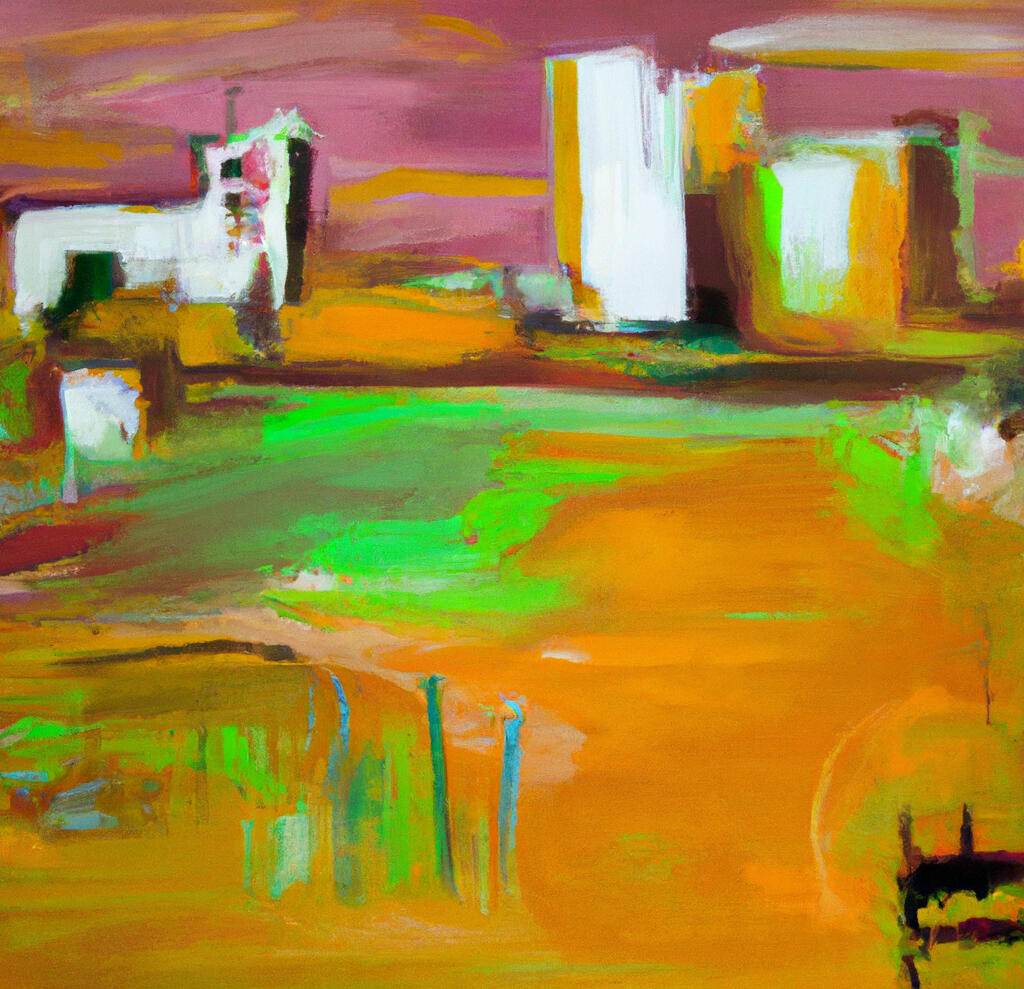
The differences between the rural dweller and one who inhabits the confines of a large urban center are not primarily geographical, nor even political or intellectual. The environment a man finds himself him in is not a neutral medium through which his individual soul is transmitted or refracted according to his particular constitution. Rather, it is an extension of the man's soul, an active, agentic force which works upon his thoughts, opinions, and motivations, much as the baker works upon what will eventually become his boule. In the popular imagination, the city is envisioned as a master sculptor, a Bernini or Rodin who can take the raw material of the rustic and shape him into something ennobled and magnificent. In practice, it is more akin to the forger who attempts to pass off his ineffectual scrapings as great art.Its products are worse than works in progress; they are victims of an unscrupulous surgeon who promises beauty but delivers its caricature. This is easily seen at the very moment of transition from rural to urban: To orient himself, the bumpkin looks at the people swarming about him, on the sidewalks, in the trains, the markets, seeping out of every crack and enclave in the bustling city. His gaze is met by a people overburdened with worry, disdain, fear, envy. Here he first encounters what Georg Simmel in the "Metropolis and Mental Life" called the "blasé attitude," or mental exhaustion owing to an overstimulation of the sensory system, in particular the visual faculty. The longer he persists in this unseen sea of despondency, the more he comes to see it as man's natural state. His interactions with others quickly shift from personal to transactional, his natural instincts disoriented and ultimately suppressed. If he does not actively adapt himself to his circumstances, he becomes an easy mark; if he does, he is enthralled to the cultural superego Freud describes in "Civilization and Its Discontents," the force which sacrifices the wants and needs of the individual for an uneasy truce among the many in the guise of social harmony.This is not to say that the country dweller is much better off. He, too, is shaped by his environment, but rather than an overabdunace of stimuli, it is a dearth of stimuli which afflicts his soul. None has placed a chisel upon his brow, neither the artist nor the trickster; he is a lump of clay buffeted only by the elements so often found in uninhabited locales: petty prejudices, mistaken notions about the world, a sort of comical insularity. And yet, he remains among the living. His instincts are intact and he may act upon them as he pleases, for good or ill. He is an untapped well of potential and sincerity. Many of his kind will remain as such, untapped, unrealized, unnoticed until they pass in their fifth or sixth decade from some complication brought on by the effluvium of the urban centers.Is one to be more pitied than the other? Is it better to be among the living condemned to never live, or to suffer a premature death at the hands of the already dead? I venture no opinion on the matter.
Feb 2024
Translator of Desires
Dallas Scott
She smiled, lightning"She smiled:" The use of the smile as an indicator of love seems a risky choice. There are many possible states or events that can induce a smile--as a sign of love or deeply felt emotions for another person, it seems to me a very weak indicator. The smile is too ubiquitous, too prone to overvaluation. As a way of visualizing the metaphors which follow this phrase, it is, however, rather appropriate: The smile is transitory--it comes on unbidden, without effort, and disappears just as readily."Lightning flashed:" The analog of lightning for the beloved's smile suggests an instantaneous change in the lover's mindset rather than a gradually evolving romantic infatuation. It is a very appealing image, offering the potential for a radical change of state that might alter one's life course dramatically in a matter of seconds. It also suggests transience, a bright flash illuminating the sky for only a brief moment before returning the lover into a state of darkness. This might perhaps be akin to the fickleness of the beloved's attitude toward the lover, the attraction she feels being only momentary, to be replaced just as quickly with dislike or indifference. In this case, the lightning is a fire that produces light but no warmth. It might provide some insight to the lover or break him out of an emotional stupor, but it may not necessarily portend what he thinks it does. This transience can also said to be in line with the idea of a continual renewal of the image and the impossibility of its possession (Sells xxvii)."I couldn't tell:" This concerns the notion of uncertainty inherent to love--uncertainty as to where one stands with the beloved, uncertainty about the emotions stirring within the lover's and the beloved's hearts, uncertainty about who one is or would or could be if he were to merge with the beloved. Here, the lover is uncertain about the particular quality in the beloved's smile that gives it its transformative power. The intention behind the smile appears to be hidden from the lover, though its effect on him is very much in full view. I find parallels here with the "Bewildered" poem where the lover is similarly in a state of uncertainty."That split the night:" The night here is a metaphor for the lover's spiritual or emotional barrenness. It recalled for me the notion of the "dark night of the soul" from Christian mysticism, the idea of a spiritual crisis or difficult period in one's life that must be overcome. Stripped of its religious overtones, love here stands in as the purifying or clarifying force that will set the lover's soul at ease and provide a path forward. The verb "split" here, as with the verb "flashed" which preceded it, suggests this is to be an instantaneous process rather than gradual, a sudden casting off of old modes of thinking, a tear in the fabric of the existential dilemma that plagues the lover. This would perhaps represent the death of the ego, or fana as Sells describes it in the introduction (xxvii).
flashed, and I couldn't
tell what it was
that split the nightI live on and"I live on:" It is difficult to say what the lover's meaning is in this line. He appears conflicted about the fact that he has endured the loss of his beloved. He lives on--is it a statement of fact, of regret? The following line suggests the latter, but it might also be read as a sign of great resilience."In living die:" The pairing of antonyms here ("live" and "die") is intentional and meant to convey that life is both physically and metaphorically a process of death. Physical in the sense that all human bodies from the moment of birth are in a state of continual decay which has its endpoint fixed at a certain hour on a certain day in a certain season. Metaphorical in the sense that for some, the process of living, and dealing with the indignities and pains that life brings with it, is its own form of death. I am reminded here of Hamlet's well-known soliloquy:
in living die
Farewell to her, then,
and to patience, farewellTo die, to sleep"Farewell to her, then:" This conveys that the lover no longer has access to the beloved, but the way it is delivered suggests a sort of defiance on the part of the lover. He cannot have her, so farewell, sent on her way with a rude gesture by which the lover hopes to cauterize his wounds. It is noteworthy in its apparent simplicity: Farewell! I wash my hands of thee. That is all. But the reader knows that is not all. The beloved will return in images to haunt him. The expression is traditionally used for an amicable parting ("I hope that you fare well"), but it is not likely that the lover's parting was either amicable or willed, nor that her rejection of him has not spawned a great deal of animosity."To patience, farewell:" To love is to become awash in time. The pleasure the beloved brings does away with notions of time. The loved man is too concerned with securing and enjoying his possession, too immersed in the gentleness of her embrace, to allow restlessness any room within his soul. With her loss, so the loss of patience. But the line here suggests more than this: It is also a hardening of the lover's soul, a statement of future unwillingness to invest himself in another again only to endure further heartbreak.
No more; and by a sleep, to say we end
The heart-ache, and the thousand natural shocks
That Flesh is heir to?
...
For who would bear the Whips and Scorns of time,
The Oppressor's wrong, the proud man's Contumely,
The pangs of dispriz'd Love, the Law’s delay,
The insolence of Office, and the spurns
That patient merit of th'unworthy takes,
When he himself might his Quietus make
With a bare Bodkin?She casts you the gaze"Gaze:" A gaze can be thought of as anodyne, particularly when coming from a lover, but it might also have an element of danger in it. The context here with the gaze being "cast" suggests something sinister or alchemical. Upon first reading, I thought of Medusa and her petrifying gaze. Medusa was originally conceived as a beautiful woman turned ugly by Neptune, who gave her a coiffure of serpents. This juxtaposition of beauty and vileness is something of a cynical take on femininity. The imagery conjured might be said to be that of an aggressive seductress, though this notion is immediately dispensed with in the line that follows."Fawn gazelle:" The gazelle seems to be a motif in many of these poems. The fawn is innocence incarnate: Wide-eyed, vigilant, vulnerabale, in need of protection. The gaze referenced earlier then has been transmuted from stone back into flesh, a sort of Daphne and Apollo in reverse. The gaze of innocence entices the lover, triggering his instinct to nurture and protect."Glint:" A glint is a momentary flash of light. It might reference the glittering eyes of a lover in an amorous reverie, but there is no sense of continuity in the term. A glint is more akin to a spark, something temporary and sharp, like the glint of a steel blade. The image it conjures is a quick burst of violent energy that can only be seen from certain angles or in certain contexts, a metaphor for the hidden or unseen aspect of love that carries with it the potential for great pain."Obsidian:" The choice of obsidian to describe the beloved's eyes alludes to the gaze in the first line. We are back in the realm of stone, now the hard, black obsidian. Stone not only suggests a quality of impenetrability and frigidity, but the blackness of obsidian also calls to mind demonic imagery: a creature with solid-black eyes, an unnatural, unearthly and malevolant being.The poet in this stanza appears to be confusing the reader's sense of perception. The rapid oscillation between innocence and its opposite is a way of showing the dual nature of love. The idea here is that pleasure and pain are intertwined, inextricably so. One cannot have love without sorrow, innocence without conniving, warmth without the looming threat of the ice storm. It is this duality which gives love its potency and amplifies the lover's sense of longing.
of a fawn gazelle
a glint of obsidian
in her eyes
Contact
Thank you
Your message has been sent.